









A research lab at ICTA-UAB
Just and effective governance is needed for successful wind energy development.
JustWind4All aims to inspire, inform and activate conversations among wind energy governance actors, such as policymakers, industry representatives and civil society across Europe. Different research methodologies (e.g. impact assessment, energy systems modelling, multi-criteria mapping, case study research) provide knowledge, practical guidelines, and training activities that support the acceleration of on- and offshore wind energy through just and effective governance.
Goals
In LIVEN Lab we are responsible for WP1 – Holistic Impact Assessment. Our work will focus on:
- Developing new methods for the assessment of wind energy: on-shore, off-shore and airborne.
- Updating our ENBIOS tool to include those methods.
- Completing the impact assessment of wind energy implementation scenarios.
Outputs
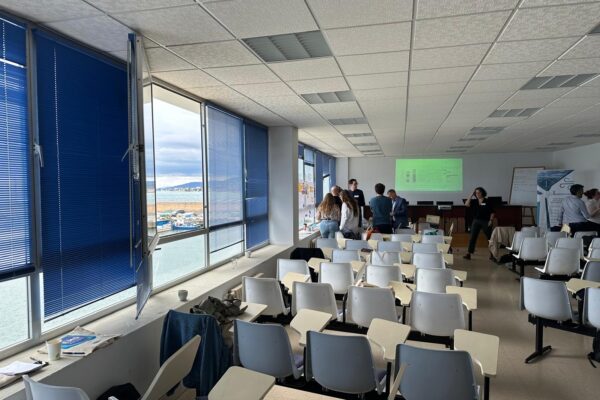
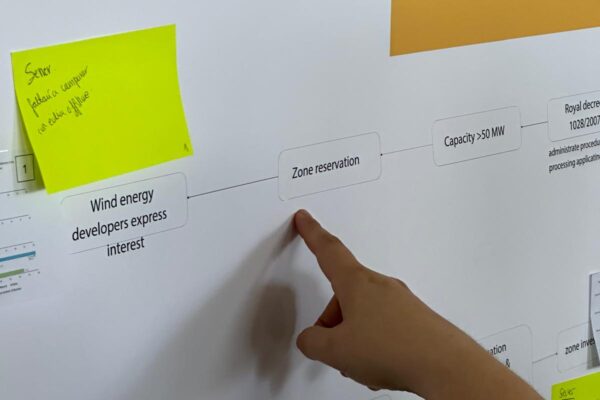
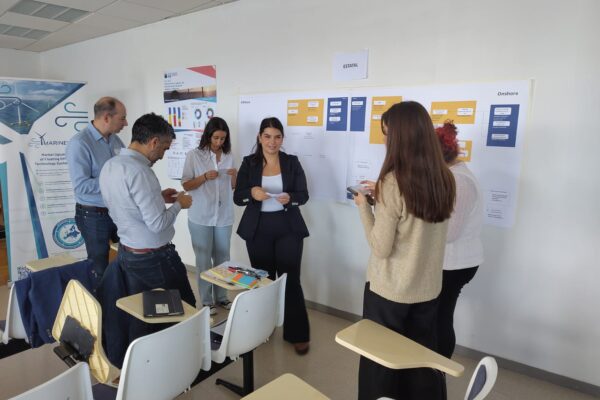
Photos of Workshop 2
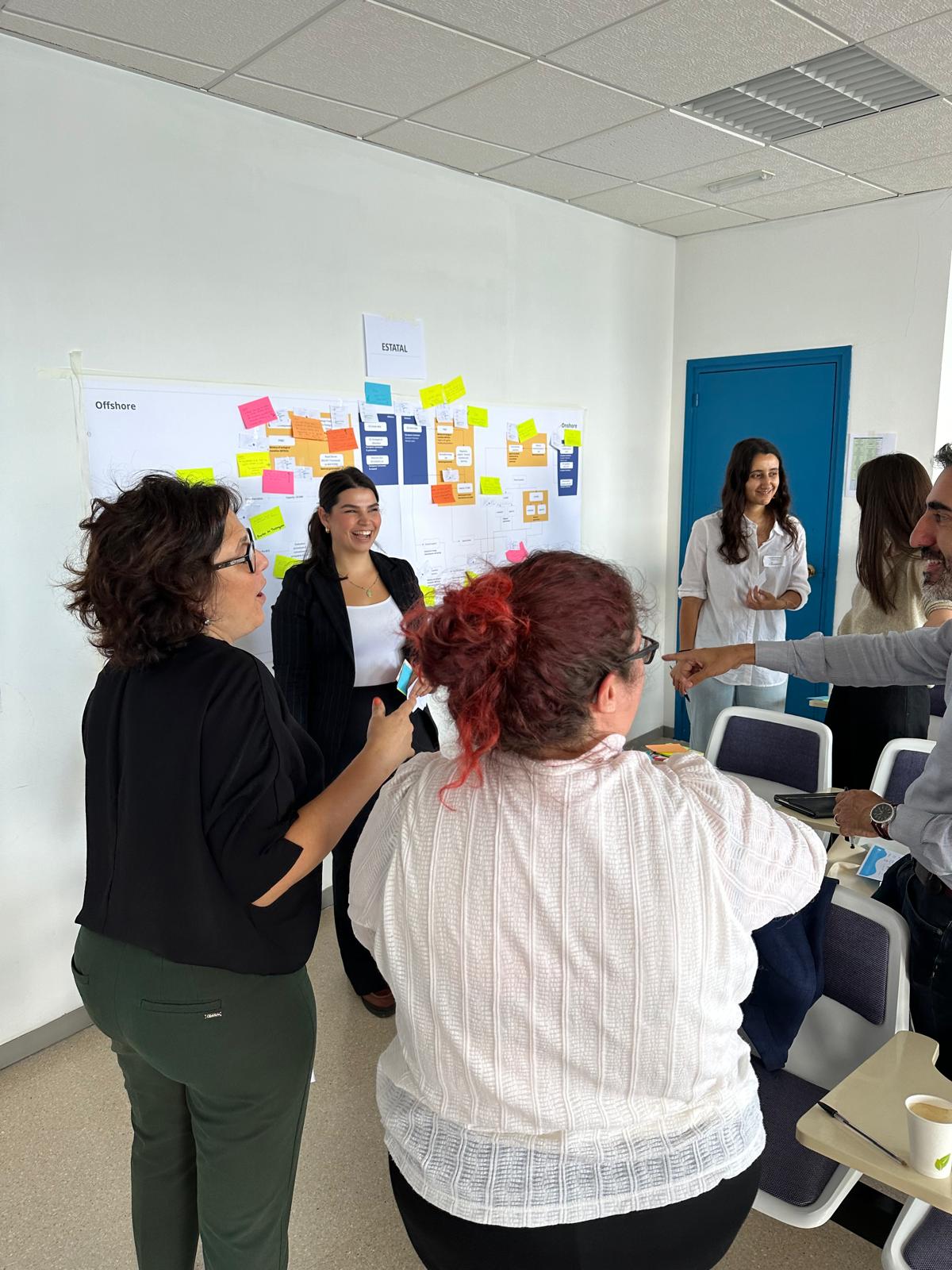
This workshop was a co-production activity organized by LIVENLab and RGI with policymakers, industry, consultants, NGOs and civil society related to wind energy operating in Catalunya. We reflected upon the barriers for a just and effective wind energy implementation and identified ways in which our research could help overcome them. The following needs were identified: improving zoning maps, regionalizing modeling results, assessing trade-offs between local impacts and regional benefits of wind energy, including the local socio-ecological relations, adding of metrics for impacts on marine dynamics and biodiversity and improving information transfer by developing a simplified way of communicating the metrics and refining the visualization of results.
Jun 12 2024, Arenys de Mar
Workshop 2
Impacting wind energy: using Holistic impact mapping as a strategy for more effective and just wind energy development
In collaboration with the marine Wind project, the LIVENLab and DRIFT research teams led this workshop with more than 20 stakeholders from industry and institutions in the context of governance for wind energy planning and installation. We identified opportunities for improving the fitness of the WIndSES framework and metrics by sharing and exploring the results of the holistic assessment. This helped determine how the results from WP1 can be effectively visualized and how they can be used in the different stages in the wind energy development cycle.